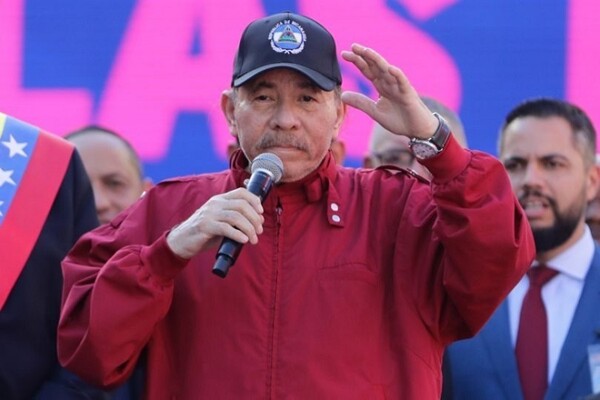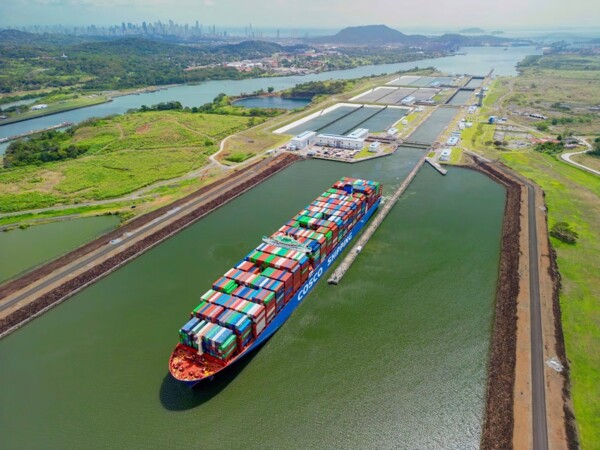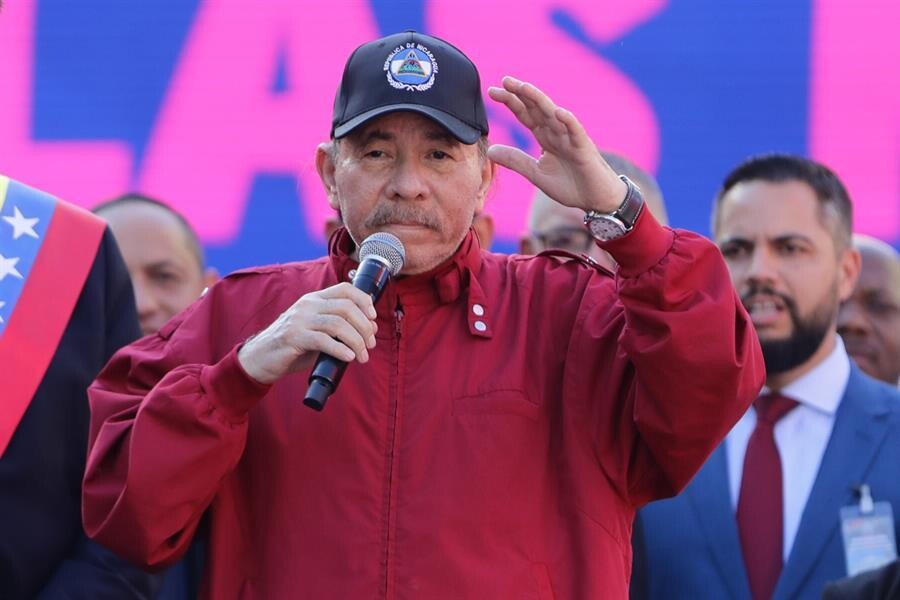
The National Assembly of Nicaragua approved a reform to the Political Constitution that authorizes the State to grant concessions for the construction of an interoceanic canal. The constitutional amendment, proposed by President Daniel Ortega, was unanimously approved in the second and final vote. It establishes that "the State may grant concessions for the construction and operation of an interoceanic canal," and that laws will regulate the conditions.
The reform requires the vote of 60% of the 91 deputies that make up the Parliament of Nicaragua. It also indicates that natural resources are national heritage and that their exploitation corresponds to the State, ensuring the preservation of the environment. Additionally, it emphasizes promoting national and foreign investments without affecting sovereignty and the rights of workers.
President Ortega presented a new interoceanic canal project to China on November 18. This time, the proposed route would pass through Lake Xolotlán instead of the Great Lake, spanning about 445 kilometers in length. The project would include the construction of two locks and an artificial lake called El Escondido.
The Inter-American Court of Human Rights condemned Nicaragua for violating the rights of indigenous peoples in a previous interoceanic canal project. Although in 2024 the concession granted to a Chinese company for the construction of the canal was revoked, Ortega continues with the idea, pushing for a new route.
The interoceanic canal project in Nicaragua has been surrounded by controversy due to environmental concerns and questions about its viability. Despite the criticisms, Ortega perseveres in his ambition to carry out this work.