In 2024, Nicaragua faces a political context marked by increased state control in all areas of public life, the weakening of democratic institutions, and a climate of constant repression and censorship, according to the Foundation for Development. The organization highlights that the Nicaraguan regime shows clear signs of dictatorship by systematically repressing any form of dissent, controlling all branches of the state, and seeking support from governments with disputes over human rights.
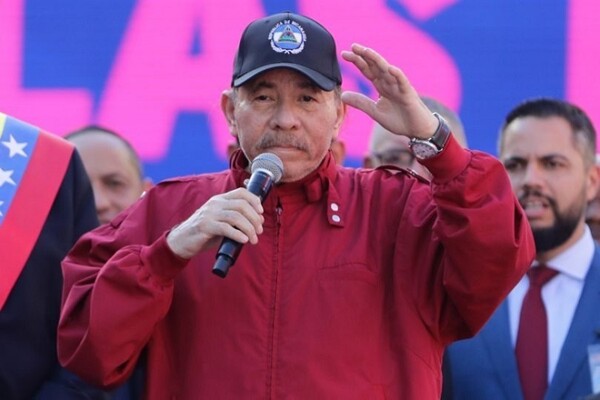
The Foundation for Social Development and Innovation, based in Miami, published a report on the situation in Nicaragua in 2024, highlighting an alarming landscape of political repression, economic and social deterioration, as well as increasing international isolation. The regime led by Daniel Ortega since 2007 has consolidated its power despite international pressure and sanctions.
The report, titled "Rights in Crisis," offers recommendations for both Nicaraguan civil society and the international community, seeking to weaken the authoritarian power structure in Nicaragua. It urges the promotion of unity within the opposition and the establishment of an international fund to support victims of repression, civil organizations, and independent media.
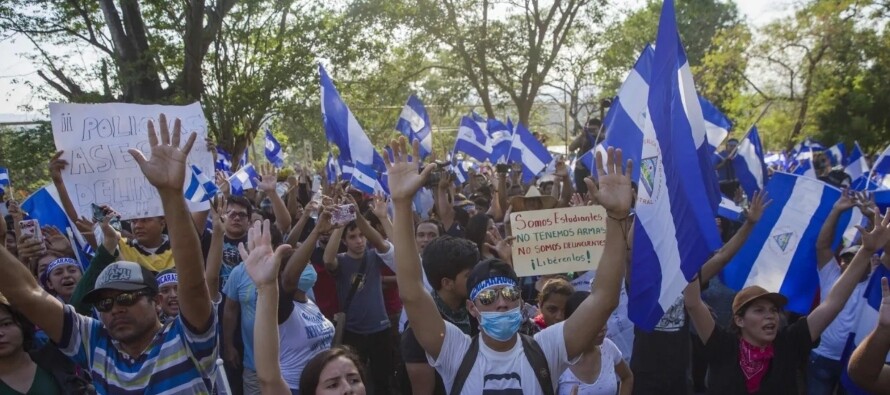
Civil society in Nicaragua has shown persistence in the struggle for human rights, even under adverse conditions, through the creation of clandestine networks of support and solidarity among activists and independent journalists. On the other hand, the deterioration of living conditions has generated growing internal discontent that could trigger an explosion at any moment.
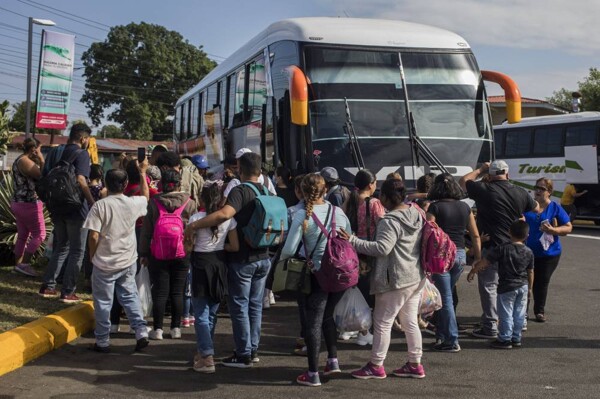
Despite the crisis, the government has remained due to Venezuelan cooperation, austerity measures that have deepened inequalities, and support from other allies such as Russia and China. Government repression tactics in response to protests have resulted in the deaths of hundreds of people and the exile of hundreds of thousands, including opposition leaders and human rights defenders.
The figure of Rosario Murillo, Ortega's wife and vice president, has gained prominence for being perceived as the true architect of the repression and social control strategy, exerting a pervasive influence on public life. The crisis also encompasses a significant economic aspect, with the government obtaining financing from various sources and exercising firm control over the population.